Prometheus means 'Forethought' he had the ability to see the future, the son of Iapetus. Given the task to shape man along with his brother Epimetheus, Prometheus did so with clay and then Athena brought these clay figures to life.
Zeus stated that all men must present a portion of the animal they sacrificed to the gods. With this Prometheus tricked Zeus as he made two piles, one which contained meat and the other bones and fat, as Zeus picked the bones he had no choice but to take the bones and fat as a share of any future sacrifices. With Zeus now angry he took fire away from man, so this lead to Prometheus to light a torch from the sun to give fire back to man.
Zeus punishes Prometheus and man, the punishment to man was the first woman Pandora who although was beautiful she was deceiving, she was sent to Epimetheus. She had a jar which she was forbidden to open, but when she gave in, evil was brought about, and also hope.
Prometheus' punishment was to be taken to the Caucasus mountains and chained to a rock where he was tormented by an eagle tearing at his liver. The only ways out were to tell Zeus who the mother of the child to dethrone him was. Or that an immortal volunteer (Pandora) would die and that this mortal must kill the eagle and unchain him.
In the end it was Chiron who agreed to die for him and Hercules who killed the eagle to unbind him.
Monday, 11 November 2013

Saturday, 2 November 2013
Half term homework
Sin
Redemption and Damnation- Faustus completes the ultimate sin despite his
tested trials to repent he never fully fulfils this and returns to his role
with the rulers of hell, this presents the idea he knowingly brings about his
own downfall and turns away from god
‘Had I as
many souls as there be stars, I’d give them all for Mephistopheles.’
‘Lines,
circles, signs, letters and characters’ for which he believes he will gain
‘Power.. Honour.. Omnipotence’
Power as a
corrupting influence- ultimately I feel Faustus’ desire to sell his soul
is to have his own way and be seen as ambitious and of high status. However this
does prove the corruption of him as his pride means that he believes he is
correct in his action and that he will gain high status and power. When in fact
this power is reduced to nothing more than slapstick, when he sells his soul
his ambition is transformed into petty jokes.
Before- ‘ A sound
magician is a mighty god’
After- ‘charm me that I
may be invisible to do what I please’
Divided man
of nature- internally Faustus is fighting with his own emotions and in
his case the good angel and the evil angel present his split loyalty and
presents to the audience that Faustus has a choice. However it would seem that
the angel who speaks last wins Faustus over and causes him to act upon their
word.
Good angel- ‘repent and
they shall never raze they skin’ to which Faustus reacts- ‘Ah Christ my saviour’ showing he has
taken notice of this statement.
Magic and
the supernatural- Faustus has a clear fascination with exploring the
unknown in some ways this is probably to fulfil his ambition to be regarded ‘omnipotent’.
He certainly involves himself with magic through summoning the devil as he has
the power to shape shift, turn Faustus invisible and turn Robin and Rafe into a
dog and a monkey.
‘ Well villains
for your presumption I transform thee into an ape and thee into a dog’
Practical
jokes- the ultimate downfall, where his ambition is belittled into
no more than childish games played upon the pope who would be viewed badly by
the audience for starters as they were protestants and he catholic. The lowest
form of wit is slapstick which Faustus has reduced himself to.
‘Snatching
the dish’ shows how childish he is.
Blood- when Faustus
sells his soul his body tries to prevent the signing in blood showing it is unnatural
and inhumane.
‘My blood
congeals’ ‘why streams it not that I may write afresh’
Faustus’s
reflection of the ancient authorities- in the first scene he rejects the
knowledge and tradition of well established subject ideas such as philosophy
and law which he replaces with the unknown modern subject of magic which has no
establishment, he wishes to explore the new.
‘Divinity adieu’
He dismisses the most ancient authority religion.
Good angel
and evil angel- these angels symbolise his inner turmoil of choice for
the devil and repentance. Constant conflict
draws Faustus to take sides with whoever speaks last structurally showing
possible that he doesn't know which to choose so it is like tossing a coin just
to take his chances.
Monday, 23 September 2013
The legend of the extra Devil, Faustus.
Dr Faustus would have been an extremely controversial performance of the time due to it's use of the devil. As many people would have been strongly religious the idea of going to watch a play involving the devil where the devil was summoned to take some ones soul would have been really terrifying.
In early performances of the play around 1590's it was rumoured that someone had seen an extra devil on stage, not an actor either but the real devil. This spurred fear and controversy amongst the audience and actors and it was also rumoured that this extra devil was present in more than one performance and witnessed by many individuals. This not only led to rumours of the play being cursed and bewitched but also the curiosity and interest of the general public who wished to see for themselves 'the extra devil' no doubt adding to the popularity of the play and the reputation good or bad amongst people of the time.
What is a Passion Play?
Simply when typed into Google passion play comes up as 'A dramatic performance representing Christ's Passion from the Last Supper to the Crucifixion.'

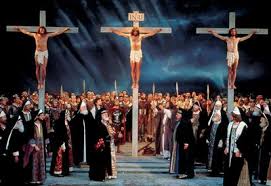
Traditionally a product of the catholic church and passion plays were often shown in the Easter play as a part of lent. They were first performed in Latin in the 13th century becoming more popular through the 15th century when they begun to be performed not only in church but in village squares etc.
The plays consisted of readings of the gospel, the last supper and the tales of Mary Magdalene.
These plays became adapted and reinterpreted from place to place and country where they were performed eg. the introduction of Satan (which became typical of German and Czech plays), and thus of introductory representations of the fall of Lucifer and the Fall of man.
Wednesday, 18 September 2013
Staging notes for a production of Faustus.
Act 1 scene 3 in Dr Faustus marks the arrival of Mephistopheles.
This scenes staging notes may be crucially important from both the point of Faustus and Mephistopheles as it could completely shape the interpretation of the what the character says but also how the audience view the situation. From Faustus's role when the devil enters Faustus states 'Thou art too ugly to attend me' - this could be interoperated in two ways in my opinion, either that Faustus is saying this through arrogance in a mocking tone or that he is actually fearful. In my opinion if he was acting in an arrogant manor this would further emphasise his later point that he believes the devil has been summoned under his command. This could further contrast to the role of Mephistopheles as he could be presenting him self in a mocking manor. For example when he says 'which strike a terror to my fainting soul' this first seems a mockery anyway as devils are not said to even have a soul and also 'terror' implies that he is in some way warning Faustus. But is it a warning or a temptation presentation?
Is Mephistopheles saying this in a means of reverse psychology? by describing hell as so awful if he further tempting Faustus using the mentality that if you tell someone not to do something they will do it.
These staging notes would not only create a sly sense of corruption with the devil which would fit the common conception of a Christian audience's at the time that the devil is evil. This would also both in some ways explain the temptation posed to Faustus by the devil. But also post the blame completely to Faustus as despite this warning whether it be serious or not he still chooses to sell his soul.
This makes Faustus seem either incredibly stupid for giving into an obviously corrupt temptation or would make the audience sympathise that he is merely drawn to do something that is a common human reaction and that this is a tragic downfall of his character. The audience may be inclined to sympathise with his temptation of sin.
Monday, 8 July 2013
First draft of analysis of presentation of the Gothic in Frankenstein 1931
The
presentation of the Gothic is very noticeable in the 1931 interpretation of Frankenstein.
The first Gothic feature which we are introduced to is intensity and
intimidation which is presented to us straight away when we are told by a male
who appears on what seems like a theatrical stage, that we should fear what we
are about to see. This sense of fear creates intensity with the viewer and this
is a common Gothic theme which is identifiable amongst texts. This intensity
continues to escalate as the next setting is a grave yard, where a funeral is
taking place. Immediately this has connotation to death and loss. Also the ideas
of religion as often funerals are religious occasions. For this reason in the
first minutes of the film the presentation of Gothic ideas is very prominent as
these ideas can be identified and associated with the Gothic.
In
this instance we are also in some ways introduced to a sense of vertigo as we
feel a sense of understanding and involvement in the Gothic features but at
this point we do not know the means of why these features are presented to us,
creating a sense of the unknown which we generally fear. This introduction is a
very interesting feature used to present a Gothic idea of suspending your
disbelief. This is because it links the audience in the real world to something
which they can connect with in the film, which allows them to submerge
themselves in the film completely.
After
this initial setting of the funeral we then begin to get more depth into the situation,
this is where two males dig up the body of the person just buried. This creates
an extremely unnatural and disturbing situation. As a grave should be left undisturbed,
this unnatural situation is further heightened by the spoken intentions of the
two males using the body for other purposes. This idea is largely associated
with some Gothic texts such as Frankenstein where unnatural beasts or
situations are created. Also the idea of corruption is introduced here which
could be seen as a Gothic theme which is common due to the use of monsters of
beasts which have been formed from other parts as well as corruption of the law
and common human behaviour.
A
contrasting way in which the Gothic is presented other than the use of themes
and character, is the use of architecture which is a common association to Gothic presentation as there are many famous buildings which are considered like this as they show complex detail and abstract appearances. This can be seen
in 1931 Frankenstein where we are introduced to the setting where the monster
is created. This setting appears to be a large tower or castle which is
darkened and very detailed; it looks old and abandoned which further links to
my earlier point about the use of the unknown and unnatural as it would be
unlikely for most people to use that space. The idea of the tower creates this
sense of isolation and heightened mystery as we are introduced to the idea of
exile and the isolation from the real world of characters often presented as Gothic.
Presentation of setting in Frankenstein 1931
Our first encounter of a setting in this film is what appears to be a theatre stage in black and white. We are greeted politely by a male character, who speaks directly to the audience breaking the fourth wall. Almost intimidating the audience to fear the film before it has started. This use of setting is very influential as it contrasts and connects the fiction of the film and the use of a theatre connects this to the real world giving us the ability to suspend our disbelief and trust someone who has forewarned us of the events to come.
After this the most influential use of setting i found was the use of light and dark to create unnerving or dangerous settings. with darkness being something which connotates to death and danger this effects our own emotions toward the film, as we expect to fear something due to the dark setting. The introduction of setting following the theatrical beginning. Is the use of a grave yard where we see many statues and other symbols of both death and religion. this is something that we identified as a class to be related to Gothic texts and this is certainly present in this interpretation of Frankenstein.
For me another very notable feature of setting used in this interpretation is the use of setting to create an interpretation as toward the blame of what caused the monster. In this case setting is seen as responsible, that nature has caused this phenomenal monster as it was created by the striking of electricity which is part of natural science. This is interesting as it may link to the time in which it was made when science was becoming a more important factor of lives.
After this the most influential use of setting i found was the use of light and dark to create unnerving or dangerous settings. with darkness being something which connotates to death and danger this effects our own emotions toward the film, as we expect to fear something due to the dark setting. The introduction of setting following the theatrical beginning. Is the use of a grave yard where we see many statues and other symbols of both death and religion. this is something that we identified as a class to be related to Gothic texts and this is certainly present in this interpretation of Frankenstein.
For me another very notable feature of setting used in this interpretation is the use of setting to create an interpretation as toward the blame of what caused the monster. In this case setting is seen as responsible, that nature has caused this phenomenal monster as it was created by the striking of electricity which is part of natural science. This is interesting as it may link to the time in which it was made when science was becoming a more important factor of lives.
Monday, 17 June 2013
Nosferatu- The most effective Gothic effects of productions in the film.
Nosferatu includes many Gothic effects of production.
The most striking Gothic production effect in Nosferatu is the use of light and dark and shadows.
We are introduced to a couple of who- the female is most striking to begin with as she is pale and dressed in white with darkened eyes. This use of light and dark may rise to the conotation that she is tired or worn and yet pure and innocent.
The male which we are introduced to has an element of mystery surrounding him and the other male introduced appears insane, from this point onward the scenery seems to become more mysterious and darkened with much more use of shadows and intimidation as we enter and unknown place in which houses and towering buildings are surrounded vast amounts of land.
Further introduction of mystery appears as we are introduced to the idea of phantoms and ghosts which introduce a new sense of the unknown.
Once our firstly introduced male enters the unknown building he is greeted by a mysterious male who comes across as someone to fear.
Another striking Gothic production feature is the introduction of the idea of darkness and danger of animal like creatures which appear from the unknown, also the idea of death and value of bloodshed and sacrifice. As well as the use of time as these dangerous events appear to happen at midnight an hour of uncertainty, often largely connotated with danger and the mystery of night. Traditionally linked to the arrival of mysterious creatures such as werewolf's and vampires.
The most striking Gothic production effect in Nosferatu is the use of light and dark and shadows.
We are introduced to a couple of who- the female is most striking to begin with as she is pale and dressed in white with darkened eyes. This use of light and dark may rise to the conotation that she is tired or worn and yet pure and innocent.
The male which we are introduced to has an element of mystery surrounding him and the other male introduced appears insane, from this point onward the scenery seems to become more mysterious and darkened with much more use of shadows and intimidation as we enter and unknown place in which houses and towering buildings are surrounded vast amounts of land.
Further introduction of mystery appears as we are introduced to the idea of phantoms and ghosts which introduce a new sense of the unknown.
Once our firstly introduced male enters the unknown building he is greeted by a mysterious male who comes across as someone to fear.
Another striking Gothic production feature is the introduction of the idea of darkness and danger of animal like creatures which appear from the unknown, also the idea of death and value of bloodshed and sacrifice. As well as the use of time as these dangerous events appear to happen at midnight an hour of uncertainty, often largely connotated with danger and the mystery of night. Traditionally linked to the arrival of mysterious creatures such as werewolf's and vampires.
Gothic Interpretation of an image

I view this image as Gothic as it involves many Gothic themes we discussed in class such as: Darkness, religion or darkened religion, the use of light and dark and blood.
This image has strong visual contrast within it in terms of the use of light and dark. This is effective as the dark elements show shadows also detailing of the church in the image. Shadows and darkness may be associated with danger and ideas of dusk and mystery which is strongly linked to many Gothic texts and also Nosferatu which includes a lot of use of dark in the means of hinting danger.
The image shows a church- which links to religious themes such as purity and innocence as often women are often viewed in white in Gothic films and texts. Also the use of light and dark may link to the sides of religion such as heaven and hell which may be included in Gothic texts.
The moon is a key feature of this image as it conotates to mystery and night which is linked to a fear of the unknown and possibly death.
Also the bats, this may conotates to death and blood as this is what bats feed on, this is largely used as a theme in Gothic texts. Also linking to the theme of blood shed and loss and often vampires and other mystical beasts, which are created to expose human nature and the features which are concerning within it.
The building in this image includes a lot of architectural detail, which is the realisation of individuals after the age of enlightenment in which buildings were mostly geometric and ordered. However After this age individuals came to realise that thoughts and emotions play a large role in life and architecture not only logic, which would explain the intricate detail on the church in this image described as Gothic.
Monday, 4 March 2013
The Prohibition Era
This period of time lasted from 1920 until 1933 and it was a period in the U.S where the manufacture, sales and trade or transportation of alcohol was made illegal.
This was due the alcohol consumption being on the increase after the American revolution. In order to take action against this societies were arranged which were part of the 'Temperance movement' the aim of these societies was to discourage people from becoming intoxicated. The societies first pushed the importance of moderation but in time they realised they were having little effect and so began to focus on trying to completely prohibit alcohol consumption.
By 1916 the Temperance societies had prohibited alcohol consumption in over half of the states of the U.S. In 1919 the 18th amendment prohibited the sale and manufacture of alcohol.
This event rose to the involvement of illegal handling of alcohol, people found ways around the prohibition of alcohol and some wealthy individuals aimed to seek profit in the desire of others for alcohol. These individuals would hire people to smuggle alcohol into the country or buy large home made quantities of alcohol. They then opened secret bars allowing people to consume alcohol and socialise. Many of these people were arrested for the handling of illegal goods.
The period of alcohol Prohibition ending on the 5th of December 1933 making it once again legal to trade and drink alcohol.
Monday, 14 January 2013
Elements of production on interpretation of scenes.
Elements of
production play a large part in the interpretation of a text especially if the
audience have never come across the text before. As a class we have watched 2
versions of act 2 scene 4. One interpretation was Kenneth Branagh’s and the other involved Helen
Mirren.
Both of these interpretations were very different in
the way they presented characters and the way that parts of the scene were
portrayed. If this was presented in these films as it would have been in Shakespearean
times, all of the actors would have been males, some interpreting and playing
female characters, this has not been included in either of the versions, which
takes away an elements of the humour and witty banter which the Shakespearean
audience would have encountered.
The Kenneth Branagh’s interpretation of
the text shows a much more engaged cast, we as an audience have much more
interest in the characters as they appear very involved in their roles. The way
the characters are involved with their roles allows the audience to become more
engaged with the storyline. The Forest of Arden is also presented to look very
naturalistic, which I feel is how it would mostly be imagined to be for any
reader of the text.
The Helen Mirren version is much less engaging as the
actors do not seem as involved in their roles they merely seem to recite lines
in a very robotic manor, with no emotion added. This interpretation also shows
the Forest of Arden as more of a spiritual garden, which I feel does not seem
appropriate to the text.
Overall elements of production do have a large impact
on the interpretation of a text because they portray characters and setting in
very different ways and overall give an audience a chance to engage with the
plot, or not. If the audience cannot engage with the plot they are very
unlikely to understand or be interested in the text.
Subscribe to:
Posts (Atom)